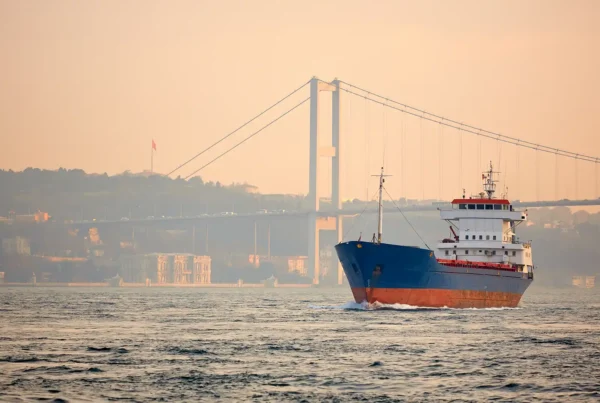
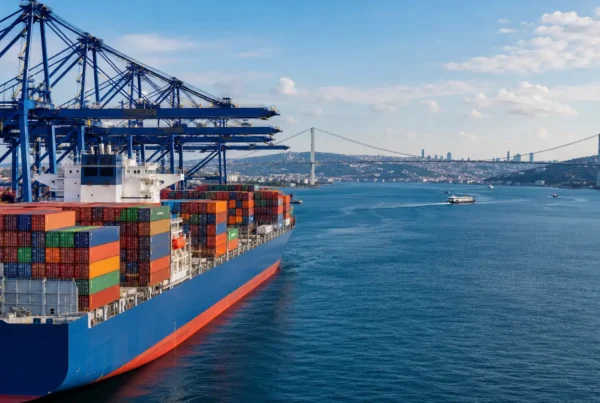
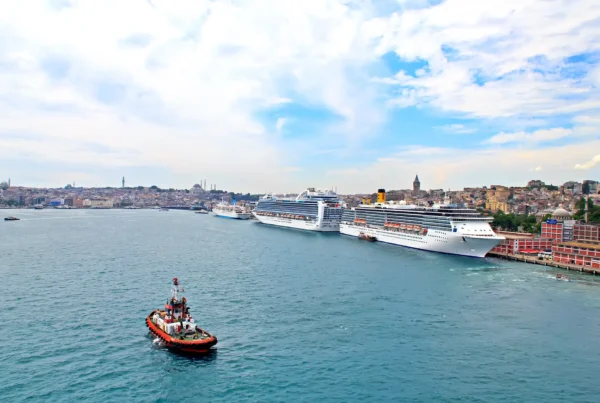
February 2026 was a period in which geopolitical developments, environmental regulations, and technological transformation simultaneously shaped the maritime industry. Uncertainty in global trade, ongoing regional conflicts, and new environmental policies continued to influence operational structures and costs in maritime transport. At the same time, port investments, new vessel technologies, and digitalization initiatives remained key topics across the sector.
International Regulations and Environmental Agenda
In February, environmental protection and ocean sustainability remained at the forefront of the maritime agenda. The BBNJ (Biodiversity Beyond National Jurisdiction) agreement, developed under the United Nations Convention on the Law of the Sea, aims to strengthen the global framework for protecting biodiversity in areas beyond national jurisdiction. The agreement covers the use of marine genetic resources, the establishment of marine protected areas, environmental impact assessments, and the transfer of marine technology. [1]
Meanwhile, the International Maritime Organization (IMO) continues to work on regulations aimed at reducing the environmental impact of maritime transport. Existing frameworks such as MARPOL, the Ballast Water Management Convention, and the London Protocol remain central to these efforts. Additional discussions are also ongoing regarding new binding rules to reduce the spread of invasive species caused by ship hull fouling (biofouling). [1]
Impact of Conflicts on the Maritime Industry
The impact of ongoing regional conflicts on maritime transport continued to be felt in February. In particular, security risks in the Red Sea and Eastern Mediterranean have led shipping companies to reconsider their route planning.
Some major shipping lines continue to divert vessels away from the Suez Canal and instead sail around the Cape of Good Hope. This route change increases voyage durations by approximately 10–14 days, while also raising fuel consumption and freight costs.
At the same time, rising war risk insurance premiums are adding additional cost pressures for shipowners and logistics operators. These changes also affect global supply chains, as longer transit times and route diversions lead to congestion at alternative ports and create uncertainty in delivery schedules.
Global Maritime Operations and Industry Innovations
Technological transformation and infrastructure investment were also key themes across the global maritime sector in February. Many port operators are accelerating the adoption of automation, data analytics, and AI-supported terminal management systems in order to improve efficiency and cargo handling performance.
Alternative fuels also remain high on the industry agenda. Investments in low-carbon fuel technologies such as LNG, methanol, and ammonia continue to increase. Several newly built vessels entering service are equipped with dual-fuel engine systems, enabling operators to reduce emissions and comply with upcoming environmental regulations.
At the same time, global terminal operators and investment funds continue to expand their infrastructure portfolios. Multi-billion-dollar investments in container terminals and logistics hubs aim to strengthen port capacity and improve the resilience of global supply chains.
Maritime Sector Developments in Türkiye
In Türkiye, the maritime sector remained active in February through both commercial activities and industry events. The Bosphorus Boat Show 2026, held in Istanbul, was one of the major gatherings for the yacht and boat industry. Hundreds of brands and vessels were showcased during the event, bringing together manufacturers, investors, and maritime professionals. [2]
Maritime transport continues to play a key role in Türkiye’s foreign trade. According to data from the Istanbul Chamber of Shipping (IMEAK DTO), sea transport remains the leading mode in the country’s export logistics, supported by active port operations and expanding maritime services. [3]
Turkish shipbuilding companies and maritime suppliers also continue to strengthen international partnerships. Cooperation with European and Middle Eastern markets is helping shipyards expand their project portfolios and export capacity. [4]
Overall Outlook
As of February 2026, the maritime sector is operating in an environment shaped simultaneously by geopolitical developments, environmental regulations, and technological transformation. While global trade uncertainties and regional security risks create short-term operational challenges, continued investments in port infrastructure, vessel technology, and digitalization support the sector’s long-term growth potential.
Maritime transport remains the backbone of global trade, and industry stakeholders are increasingly adapting their operational strategies to meet both evolving security conditions and stricter environmental standards.
Sources
-
Istanbul Chamber of Shipping (IMEAK DTO) – IMO Bulletin and Marine Environmental Regulations
https://www.vda.org.tr/duyuru/imeak-dto-subat-2026-imo-bulteni-/32298 -
MarineDeal News – Bosphorus Boat Show 2026
https://www.marinedealnews.com -
Istanbul Chamber of Shipping (IMEAK DTO) – Maritime Sector Indicators
https://www.denizticaretodasi.org.tr -
DenizHaber – Developments and cooperation in the Turkish maritime sector
https://www.denizhaber.net